TicketingHub • May 10, 2026 • 5 min read
The Ticket Is the First Impression: How Smart Ticketing Is Reshaping Events in 2026
What Separates Events That Sell Out from Events That Struggle
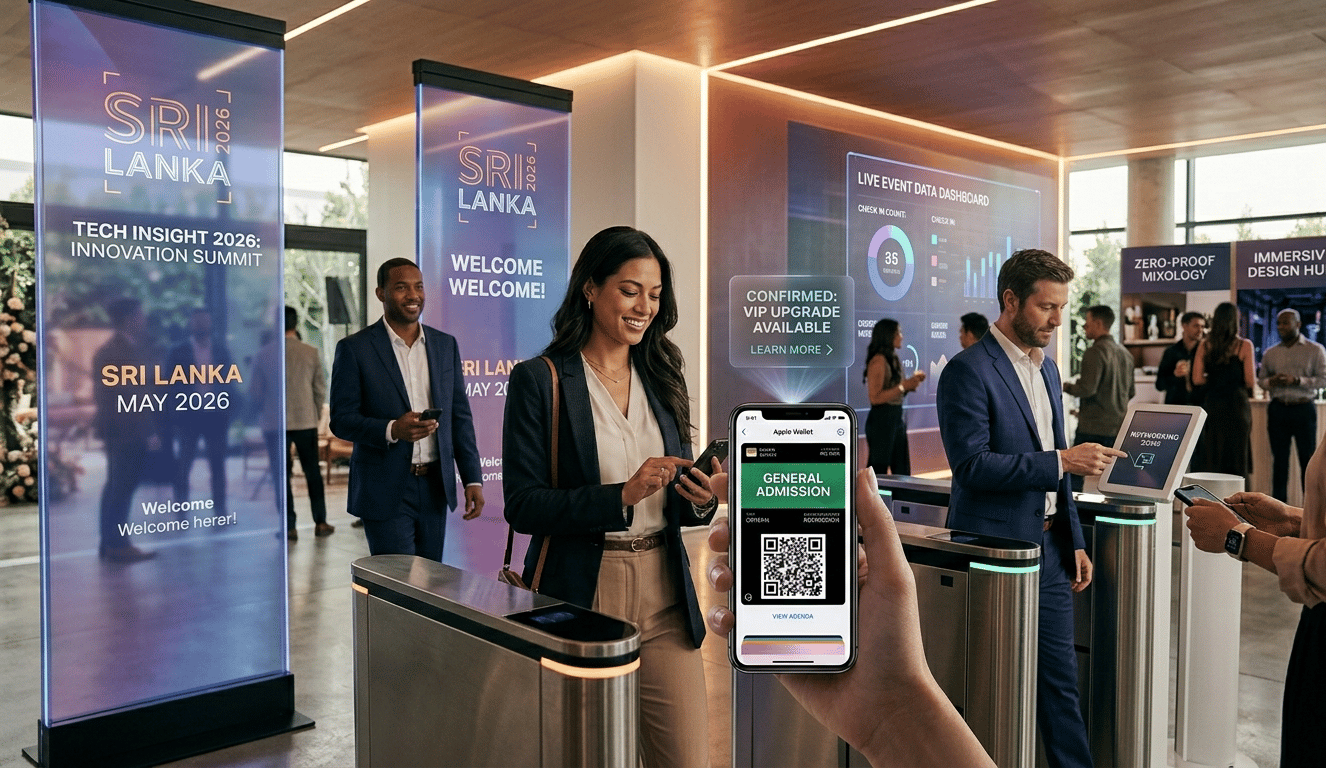
Most event organizers spend months perfecting the experience, the venue, the décor, the entertainment, and the food. Then they create a basic ticketing page and call it "done".
That is the gap. In 2026, that gap is costing events real money.
Ticketing is no longer just a logistics step; it is the first touchpoint your audience has with your brand. How you sell access shapes perception, sets expectations, and directly impacts whether someone hits "buy" or clicks away. "Done".
The Market by the Numbers
The scale of the ticketing opportunity is massive. The online event ticketing market is valued at $56.58 billion in 2026 and is projected to reach $71.54 billion by 2030. This growth is fueled by mobile-first platforms and AI-powered pricing.
Currently, mobile devices account for nearly 59% of all ticketing transactions. If your ticketing experience isn't optimized for a smartphone, you are already behind the curve. The events that "win" in 2026 are those treating ticketing as a strategic asset rather than an afterthought.
The Trends Defining 2026
The way people discover and buy tickets has fundamentally shifted. Here is what is driving the industry forward:
1. The ticket as a "digital key".
Mobile ticketing through digital wallets (Apple and Google Wallet) is now the baseline expectation. However, the ticket has evolved into more than an entry pass; it is now the key that unlocks interactive features, including personalized agendas, real-time notifications, and networking tools built directly into the digital ticket.
2. Tiered and Bespoke Experiences
Flat-price ticketing is fading out. Tiered pricing is the new standard, offering "bespoke" options like backstage tours, exclusive lounge access, or artist meet-and-greets. These allow attendees to build their own "perfect event", justifying higher price points and increasing overall revenue.
3. AI-Driven Demand Forecasting
AI is no longer a buzzword; it’s a logistics lifesaver. Organizers are using AI to forecast which sessions will hit capacity weeks in advance, allowing them to reassign rooms and cut day-of logistics scrambling by at least 40%.
Timing: Your Secret Competitive Advantage
One of the most underused insights in ticketing is conversion timing. When people buy depends entirely on the event type:
Shows & Performances: Friday is the leading day for purchases, followed by Saturday and Thursday. The final days before the show are your primary sales window.
Conferences & Expos: Tuesday and Wednesday lead sales. Buyers treat this like a work task, booking during business hours while planning travel and budgets.
Galas & Fundraisers: The strongest conversion window is two weeks to two months before the event. Mid-cycle momentum is more important here than late-stage urgency.
What’s Quietly Fading Out
To stay competitive, organizers must abandon outdated friction points:
Hidden Fees: Transparency converts. Platforms that bury fees until the final checkout screen see significantly higher cart abandonment rates.
Rigid Policies: In a world of transferable digital tickets, "no-refund" policies kill buyer confidence.
Spreadsheet Management: Manual guest list tracking is no longer viable at scale.
How Planzevo Reshapes the Ecosystem
In 2026, you need a system where ticketing, guest management, and vendor coordination all talk to each other.
For Organizers: Planzevo connects your ticketing page directly to your planning workflow. You can manage guest lists, RSVPs, and dietary requirements in real time from a single dashboard. Seeing an "Early Bird" tier sell out in your dashboard creates the data you need to drive urgency for the next phase.
For Vendors: Planzevo provides targeted visibility to pre-qualified, actively buying audiences. Every event you participate in, whether a bridal expo or a corporate showcase, builds your professional profile and connects you to the next round of buyers.
The Verdict
The events that sell out in 2026 aren't always the biggest; they are the ones that make buying feel easy, clear, and worth it.
Don’t treat your ticket as a receipt. Treat it as the start of a relationship. In a market this competitive, the ticket isn’t just the entry point, it’s the entire first impression.
Key takeaways
- • Ticketing is your first touchpoint with your audience, it shapes perception before anyone walks through the door
Sri Lanka • South Asia • Focus: Colombo, Galle, Kandy, Negombo